How Many Portable Restrooms Should You Rent for Your Wedding
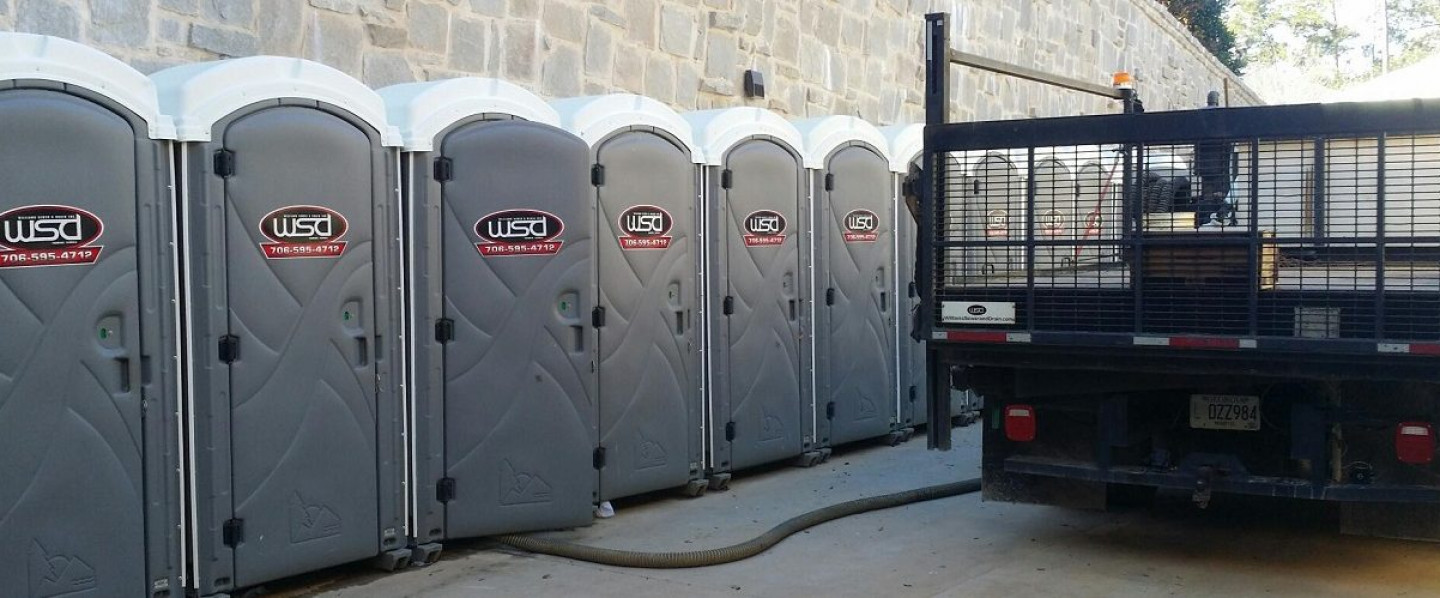
The simplest answer to “How many portable toilets do I need for a wedding?” uses guest count and event duration. For an event lasting up to four hours, begin with one unit for about every 50 guests. Then round up rather than down. A wedding with 125 guests would start at three units, not two and a half. This baseline assumes normal restroom use, no unusual site limits, and reasonable access throughout the event.
The question “How many portable toilets do I need for a wedding?” becomes more specific when the reception extends beyond four hours. Guests eat, drink, dance, and remain on-site. Each added hour creates more restroom demand. Beer, wine, cocktails, and other beverages can increase use further. A small margin of extra capacity can reduce queues during dinner, speeches, and the busiest part of the reception.
Use this planning table as an initial estimate, not a guaranteed code minimum or final rental quote. The food & beverage column adds one unit to the base estimate to create more capacity. Long events, limited indoor facilities, or difficult walking routes may require another adjustment.
Expected Guests | Up to 2 Hours | Up to 4 Hours | 5 to 8 Hours, Food and Beverages | Planning Note |
50 | 1 unit | 2 units | 2 units | Add an accessible unit if the base selection does not already include one |
100 | 2 units | 3 units | 3 units | Separate placement can improve access, but units still need a serviceable location |
150 | 3 units | 4 units | 4 to 5 units | Consider peak demand after dinner and before major reception moments |
200 | 4 units | 5 units | 5 to 6 units | Confirm delivery space, lighting, handwashing, and more than one convenient route |
If permanent venue restrooms remain open and can handle part of the guest load, the portable count may be lower. However, do not subtract those fixtures until the venue confirms availability, operating condition, capacity, and hours. A single indoor restroom may look useful on a tour but become unavailable during setup, catering, or cleanup.
What the Starting Ratio Assumes
The one-per-50 baseline assumes that most guests will use the facilities a typical number of times during a short event. It also assumes units remain stocked, unlocked, level, and easy to reach. A poor location can make adequate inventory feel insufficient because guests avoid a distant or dark restroom area.
The estimate does not replace venue requirements, local rules, or the rental provider’s site assessment. Weddings vary too much for one ratio to cover every situation. A backyard ceremony with 50 guests and a four-hour schedule differs from an eight-hour outdoor reception with a bar, dinner, and no indoor restrooms.
What Factors Change the Portable Toilet Count?
If you are still asking, “How many portable toilets do I need for a wedding?” look beyond attendance. The following factors determine how often guests use the facilities and whether every unit contributes useful capacity.
Event Length
Event length changes the answer to “How many portable toilets do I need for a wedding?” Longer weddings need more capacity because guests remain on-site through several activity blocks. A four-hour ceremony and reception creates less demand than a full day that includes setup, photos, ceremony, cocktail hour, dinner, dancing, and cleanup. Vendors also need restroom access before guests arrive and after they leave.
Count the full occupied period, not only the ceremony time printed on the invitation. Ask when the wedding party, caterers, musicians, photographers, and coordinators will arrive. If the units serve vendors for ten hours, planning only for a five-hour reception understates actual use.
Beverage Service
“How many portable toilets do I need for a wedding?” because beer, wine, cocktails, coffee, tea, water stations, and soft drinks can increase restroom visits. A bar also creates peak periods, especially after cocktail hour and dinner. Adding at least one unit beyond the basic guest-count estimate provides a useful buffer for many weddings with drinks being served.
The specific adjustment depends on event length, beverage availability, weather, and permanent facilities. Discuss the bar schedule with the rental provider. A short champagne toast does not create the same demand as an open bar running for several hours.
Meal Service
A full meal keeps guests at the venue longer and usually includes more beverages. Food service also increases the importance of handwashing. Guests need a clear way to clean their hands before eating, while catering teams may have separate health and operational requirements.
Do not assume a portable toilet’s internal hand sanitizer replaces every handwashing need. The Centers for Disease Control and Prevention explains that washing with soap and clean running water is one of the best ways to remove germs. Ask about standalone handwashing stations and confirm what the caterer and venue require.
Children and Older Guests
Families with young children may need more time inside a unit. Older adults may also prefer shorter walking distances and stable, well-lit access. These needs do not always require a large increase in total inventory, but they strongly affect unit type and placement.
Avoid placing every restroom at the far edge of the property solely to hide it from photographs. A discreet screen or thoughtful route can preserve the look of the venue while keeping facilities practical. Accessibility and comfort should guide placement before aesthetics.
Available Indoor Restrooms
Permanent restrooms can reduce portable demand only when guests can use them reliably. Confirm how many fixtures are available, whether they are accessible, and whether venue staff restrict access during any part of the event. Also ask whether the building’s plumbing can support the expected attendance.
For a private home, relying on one household bathroom for a large wedding can create lines and place heavy demand on the plumbing. Portable units can protect private areas, reduce indoor traffic, and provide backup if a fixture clogs.
Accessibility Needs
At least one accessible portable restroom is a sound planning choice for a wedding where portable facilities are provided. It should offer enough interior space and appropriate features for guests who use mobility devices. The route to it matters as much as the unit. Gravel, mud, steep slopes, narrow gates, and steps can make an accessible unit unreachable.
Accessibility obligations can depend on the venue, event setup, and applicable law. Therefore, ask the venue and rental provider to confirm the required number, design, placement, and route. The U.S. Access Board offers general information about federal accessibility standards, but event-specific compliance may require local guidance.
Weather and Ground Conditions
Augusta weather can change how guests use the site. Heat encourages more beverage consumption. Rain can turn an unprepared route into mud. Wind affects placement and screening. The rental provider needs firm, level, accessible ground and enough room for delivery and later pickup.
Create a rain plan before the units arrive. Consider temporary lighting, stable walkways, and drainage. Do not place units in a low area that collects stormwater or where runoff can reach food service, seating, or neighboring property.
How to Calculate Portable Toilets for a Wedding Step by Step
To answer “How many portable toilets do I need for a wedding?” with confidence, build the estimate in layers. Start with attendance, then account for time and higher-use conditions. Finally, check whether the site lets guests reach the units and allows the provider to deliver, service, and remove them safely.
- Confirm the real headcount. Include invited guests, the wedding party, vendors, entertainers, security, photographers, and staff who will remain on-site. Use the expected maximum attendance, not only the current RSVP total. If the final count may rise, round toward the higher planning bracket.
- Calculate a base quantity. For up to four hours, divide the total attendance by 50 and round up. For example, 125 people produce a starting estimate of three units. Treat this as a planning baseline rather than a universal requirement.
- Adjust for time, food, and Beverage Service. Add capacity when the occupied period exceeds four hours, drinks flows for several hours, or a meal and beverage program increases use. One extra unit often provides a practical buffer, but very long events may need more or a servicing plan.
- Select the right mix. Include an accessible unit where needed and confirm the route to it. Consider whether families, older adults, or guests in formal clothing will benefit from more spacious options. Add handwashing stations according to food service, venue, and guest needs.
- Validate the site plan. Share the address, surface type, gate width, slope, overhead clearance, delivery window, pickup window, and desired placement with Williams Sewer & Drain. Confirm local and venue rules before finalizing the order.
This process turns a general ratio into an event-specific answer. Share the completed calculation with Williams Sewer & Drain so the team can review guest count, event hours, unit types, and Augusta-area delivery conditions.
How Should Portable Toilets Be Placed at a Wedding Venue?
Placement matters after calculating “How many portable toilets do I need for a wedding?” Good placement balances privacy, access, appearance, odor control, and service logistics. Units should sit on firm, level ground where they will remain stable. Guests need a clear, illuminated route. Meanwhile, the delivery or service vehicle needs practical access without crossing delicate landscaping or active guest areas.
Place units close enough for comfort but not directly beside dining, food preparation, ceremony seating, or primary photo locations. Avoid low spots, steep slopes, loose sand, soft ground, and areas beneath unstable branches. Ask the provider how much clearance and hose access its service equipment requires.
Use these placement checks before approving the site:
- Is the surface firm and level from delivery through pickup?
- Can a delivery vehicle reach the location without damaging lawns or décor?
- Is the walking route short, visible, and well lit after sunset?
- Can a guest using a mobility device travel the route without steps or narrow gates?
- Is the restroom area separated appropriately from food preparation and dining?
- Will screens, flowers, signs, or trailers block ventilation or service access?
- Does the location remain usable if it rains?
- Can venue staff monitor supplies and report a problem quickly?
For large properties, splitting units between two locations may shorten walking distances. However, both areas must remain serviceable, stocked, and easy to find. Discuss whether two smaller clusters or one central station works better for the site.
Lighting, Signs, and Privacy
Guests should find the restroom without asking the couple or event staff. Use tasteful directional signs at decision points. Provide lighting along the route and near unit entrances. Test the lighting after dark rather than assuming nearby decorative lights are strong enough.
Screens can improve appearance, but they should not create a maze, narrow the accessible route, or trap odors. Leave space around doors and ventilation areas. Confirm the planned screen layout with the rental provider before installation.
Delivery and Pickup Timing
Schedule delivery early enough to solve placement problems before décor, catering, and guests fill the site. The exact window depends on provider availability, venue access, and event timing. Ask who will meet the driver and approve the final location.
Pickup may occur after the event rather than immediately. Confirm whether the venue allows units to remain overnight and whether gates will be open. Couples using a private property should protect the pickup route from parked cars, rental furniture, and cleanup equipment.
What Restroom Types and Hygiene Features Should You Include?
The question “How many portable toilets do I need for a wedding?” covers quantity, but the correct mix should also match the guests and event style. A standard unit provides basic capacity. An accessible unit provides more space and features. Depending on availability, upgraded options may offer additional comfort for formal attire or longer celebrations.
Ask Williams Sewer & Drain which unit types are available for the date. Do not advertise or promise a specific amenity until the provider confirms it. Rental inventories and features can vary.
Standard Portable Restrooms
Standard units form the base of many wedding orders. They work best when placed on level ground, stocked for expected use, and supported by nearby hand hygiene. For a larger wedding, several standard units reduce the chance that one line controls the guest experience.
Accessible Portable Restrooms
An accessible unit should not be treated as overflow storage or placed on the least usable part of the property. Guests need a firm approach, enough turning space, and an unobstructed entrance. Verify the model and placement requirements with the provider and venue.
Handwashing Stations
Standalone handwashing stations add soap and running water near the restroom area. They become especially important when food is served or when the venue lacks nearby sinks. Position them so guests see and use them, but do not block unit doors or accessible routes.
Plan for supplies throughout the event:
- Soap appropriate for the station
- Clean water capacity for expected use
- Paper towels or another confirmed drying method
- Waste containers near the handwashing area
- Lighting for evening use
- A person responsible for checking supplies
- A contact plan if a station stops working
Hand sanitizer can serve as a useful supplement. However, visible dirt and some situations call for soap and water. Coordinate with the caterer because food workers may have separate handwashing requirements from guests.
Comfort and Guest Experience
Think about formal clothing, changing needs, children, and the distance from the reception. Some couples prefer upgraded portable restroom options when available. Others use a larger quantity of standard units with good lighting, clean routes, and reliable stocking.
Guest experience depends less on hiding the facilities and more on making them clean, stable, private, and easy to reach. A well-marked area with short lines will feel more thoughtful than an attractive setup located too far away.
What Information Does Williams Sewer & Drain Need for an Accurate Recommendation?
When couples ask, “How many portable toilets do I need for a wedding?” the best recommendation begins with complete event details. In other words, “How many portable toilets do I need for a wedding?” cannot be answered from guest count alone. Share the schedule, site conditions, facility mix, and service expectations early enough to adjust the plan.
Prepare the following information before requesting a quote:
- Wedding date and event address
- Expected guest count and maximum possible attendance
- Number of vendors and staff on-site
- Arrival time for setup teams and departure time for cleanup teams
- Ceremony, cocktail hour, dinner, and reception schedule
- Whether alcohol and other beverages will be served
- Whether permanent restrooms are available and how many fixtures guests may use
- Accessible restroom needs and route conditions
- Preferred unit types, if known
- Food service and handwashing needs
- Surface type, slope, gate width, and vehicle access
- Delivery and pickup windows allowed by the venue
- Any need for service during a multi-day event
- Venue rules, permits, or placement restrictions
Photos and a simple site sketch can prevent misunderstandings. Mark the road entrance, gate, parking, ceremony, dining, restroom area, and any soft ground or overhead obstacles. If the venue has a coordinator, include that person in placement decisions.
Questions to Ask Before Booking
A clear rental conversation should cover the service scope, not just the unit count. Ask what is included in delivery, setup, stocking, pickup, and cleaning. Confirm the cancellation or rescheduling terms, especially for outdoor events affected by weather.
Also ask:
- Which unit types are available for the wedding date?
- How does the provider adjust quantity for beverage service and long events?
- What handwashing options are available?
- What surface and vehicle access does delivery require?
- When will the units arrive and leave?
- Who should be contacted if a unit needs attention during the event?
- Does a long or multi-day event need scheduled servicing?
- Which venue or local requirements must the renter confirm?
Written details protect both the couple and the provider. Review the delivery address, quantity, unit mix, dates, and placement notes before approving the order.
What Wedding Planning Mistakes Lead to Restroom Problems?
The most common mistake when asking, “How many portable toilets do I need for a wedding?” is ordering only from the guest count and ignoring event duration. A 100-person ceremony lasting two hours has different demand from a 100-person celebration that occupies the site for ten hours. Count the vendor and setup period as well.
Another mistake is assuming indoor restrooms will absorb demand without checking them. A venue may limit access, close a building, or have fewer working fixtures than expected. Ask for a written answer about which facilities guests may use and during what hours.
Avoid these planning errors:
- Rounding the calculated count down to save space
- Forgetting vendors, entertainers, and event staff
- Ignoring beer, wine, cocktails, and soda service
- Failing to include an appropriate accessible option
- Placing units on soft, sloped, dark, or flood-prone ground
- Hiding restrooms so well that guests cannot find them
- Blocking service access with tents, cars, or décor
- Forgetting handwashing near food service
- Waiting until the final week to check availability
- Assuming the provider can deliver through a narrow gate
Couples also forget to assign someone to monitor the restroom area. The couple should not handle supply questions during the reception. Give the coordinator or a trusted helper the provider’s contact information and ask that person to check lighting, paper, handwashing supplies, and access.
Why Too Few Units Cost More Than Money
Long lines interrupt the event schedule. Guests may leave dinner, speeches, or dancing for longer than expected. Older adults and families with children can face greater difficulty. Heavy use can also make each unit harder to keep pleasant.
Ordering a reasonable buffer protects flow during peak periods. It does not mean filling the venue with unnecessary units. The goal is to avoid a fragile plan that works only if attendance, timing, and usage remain perfect.
How Can Couples Make the Final Decision?
To finalize “How many portable toilets do I need for a wedding?” begin with the guest-count table. Then answer five questions: How long will people occupy the site? Will beverages and a full meal be served? Which permanent restrooms are truly available? What accessibility and handwashing features are needed? Can the rental provider reach the chosen location?
Use this decision sequence:
- Base count: Divide total guests, vendors, and staff by 50 for an event up to four hours, then round up.
- Demand buffer: Add capacity for an open bar service, a long reception, or heavy beverage service.
- Facility credit: Count permanent restrooms only after the venue confirms access and capacity.
- Unit mix: Include accessible facilities and suitable handwashing.
- Site reality: Confirm level ground, weather backup, lighting, signs, and service access.
- Provider review: Share all assumptions and let Williams Sewer & Drain check the plan.
This framework answers “How many portable toilets do I need for a wedding?” more accurately than guest count alone. It also makes the final quote easier to understand because every adjustment connects to an event detail.
Example: A 150-Guest Outdoor Wedding
An example makes “How many portable toilets do I need for a wedding?” easier to apply. Suppose 150 guests attend a six-hour outdoor wedding with a full dinner and open bar. The base is three units. The longer duration and beverages justify additional capacity, bringing the planning range to four or five. The couple also needs to confirm an accessible unit and handwashing stations.
Next, consider 20 vendors who arrive hours earlier. If those workers use the same facilities throughout setup and cleanup, the occupied period grows. The final recommendation may stay within the range or move upward, depending on venue restrooms, servicing, and site layout. This example shows why the final number cannot come from the invitation list alone.
Conclusion
So, how many portable toilets do I need for a wedding? For an event lasting up to four hours, start with one unit per 50 guests and round up. Add capacity for food & beverage service, longer hours, meals, limited permanent restrooms, and peak demand. Then confirm an accessible unit, handwashing, placement, lighting, weather protection, and service access.
The final answer to “How many portable toilets do I need for a wedding?” should reflect the entire occupied period, including vendors and cleanup teams. Venue rules and local requirements may also affect the plan. A transparent calculation gives the rental provider enough information to refine the recommendation without pretending one ratio fits every celebration.
Williams Sewer & Drain can give an event-specific response to “How many portable toilets do I need for a wedding?” and help Augusta-area couples choose a practical restroom quantity and unit mix. Share the guest total, event hours, beverage service plan, permanent facilities, accessibility needs, and site details. Contact Williams Sewer & Drain to request a customized portable restroom recommendation for your wedding.