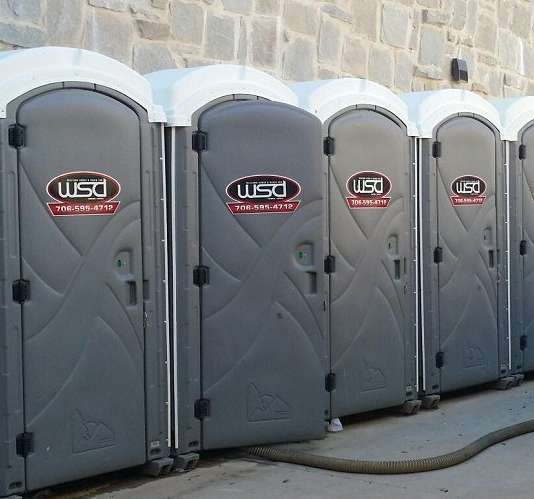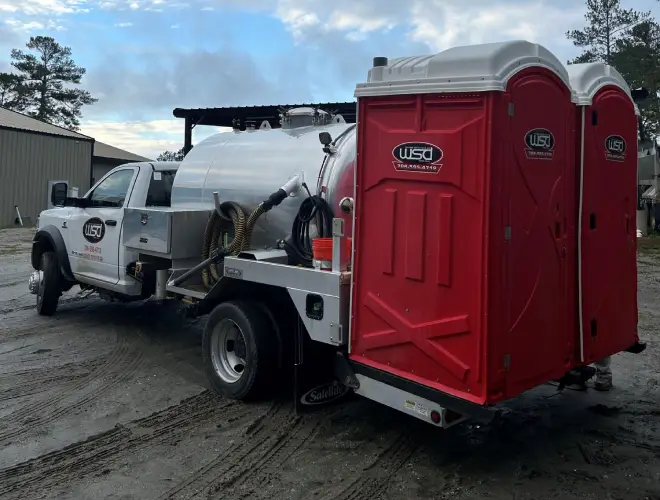
How Many Portable Toilets Do I Need for a Wedding in Augusta, GA? One of the most common questions couples ask while planning an outdoor wedding is, “How many portable restrooms do we actually need?” Ordering too few can create long lines during dinner and the reception, while ordering too many wastes part of the event budget. The right answer depends on much more than your guest count. For a four-hour wedding, a practical starting estimate is one portable toilet for every 50 guests. That means one unit for 50 guests, two for 100, three for 150, or four for 200. However, add capacity when the reception lasts longer, beverage service is offered, venue restrooms are limited, or guests cannot easily reach every unit. Couples often ask, “How many portable toilets do I need for a wedding?” because they want enough capacity without overordering. Guest count matters, but it is not the only number. Event hours, meal and beverage service, children, older adults, accessibility, placement, and servicing access can change the recommendation. A clear estimate starts with assumptions and then adjusts for the actual event. Williams Sewer & Drain can help families plan restroom capacity for private celebrations in the Augusta area. As a Professional Plumbing Company in Augusta, GA, the company understands that dependable sanitation supports the whole guest experience. Couples can also review Portable Restroom Services & Toilets Rentals in Augusta, GA before requesting a customized recommendation. How Many Portable Restrooms Should You Rent for Your Wedding The simplest answer to “How many portable toilets do I need for a wedding?” uses guest count and event duration. For an event lasting up to four hours, begin with one unit for about every 50 guests. Then round up rather than down. A wedding with 125 guests would start at three units, not two and a half. This baseline assumes normal restroom use, no unusual site limits, and reasonable access throughout the event. The question “How many portable toilets do I need for a wedding?” becomes more specific when the reception extends beyond four hours. Guests eat, drink, dance, and remain on-site. Each added hour creates more restroom demand. Beer, wine, cocktails, and other beverages can increase use further. A small margin of extra capacity can reduce queues during dinner, speeches, and the busiest part of the reception. Use this planning table as an initial estimate, not a guaranteed code minimum or final rental quote. The food & beverage column adds one unit to the base estimate to create more capacity. Long events, limited indoor facilities, or difficult walking routes may require another adjustment. Expected Guests Up to 2 Hours Up to 4 Hours 5 to 8 Hours, Food and Beverages Planning Note 50 1 unit 2 units 2 units Add an accessible unit if the base selection does not already include one 100 2 units 3 units 3 units Separate placement can improve access, but units still need a serviceable location 150 3 units 4 units 4 to 5 units Consider peak demand after dinner and before major reception moments 200 4 units 5 units 5 to 6 units Confirm delivery space, lighting, handwashing, and more than one convenient route If permanent venue restrooms remain open and can handle part of the guest load, the portable count may be lower. However, do not subtract those fixtures until the venue confirms availability, operating condition, capacity, and hours. A single indoor restroom may look useful on a tour but become unavailable during setup, catering, or cleanup. What the Starting Ratio Assumes The one-per-50 baseline assumes that most guests will use the facilities a typical number of times during a short event. It also assumes units remain stocked, unlocked, level, and easy to reach. A poor location can make adequate inventory feel insufficient because guests avoid a distant or dark restroom area. The estimate does not replace venue requirements, local rules, or the rental provider’s site assessment. Weddings vary too much for one ratio to cover every situation. A backyard ceremony with 50 guests and a four-hour schedule differs from an eight-hour outdoor reception with a bar, dinner, and no indoor restrooms. What Factors Change the Portable Toilet Count? If you are still asking, “How many portable toilets do I need for a wedding?” look beyond attendance. The following factors determine how often guests use the facilities and whether every unit contributes useful capacity. Event Length Event length changes the answer to “How many portable toilets do I need for a wedding?” Longer weddings need more capacity because guests remain on-site through several activity blocks. A four-hour ceremony and reception creates less demand than a full day that includes setup, photos, ceremony, cocktail hour, dinner, dancing, and cleanup. Vendors also need restroom access before guests arrive and after they leave. Count the full occupied period, not only the ceremony time printed on the invitation. Ask when the wedding party, caterers, musicians, photographers, and coordinators will arrive. If the units serve vendors for ten hours, planning only for a five-hour reception understates actual use. Beverage Service “How many portable toilets do I need for a wedding?” because beer, wine, cocktails, coffee, tea, water stations, and soft drinks can increase restroom visits. A bar also creates peak periods, especially after cocktail hour and dinner. Adding at least one unit beyond the basic guest-count estimate provides a useful buffer for many weddings with drinks being served. The specific adjustment depends on event length, beverage availability, weather, and permanent facilities. Discuss the bar schedule with the rental provider. A short champagne toast does not create the same demand as an open bar running for several hours. Meal Service A full meal keeps guests at the venue longer and usually includes more beverages. Food service also increases the importance of handwashing. Guests need a clear way to clean their hands before eating, while catering teams may have separate health and operational requirements. Do not assume a portable toilet’s internal hand sanitizer replaces every handwashing need. The
Office: Mon-Fri: 8am-5pm | We are available 24/7 for emergencies
- 887 Stagecoach Road Northeast Thomson, GA 30824
Book Your Appointment
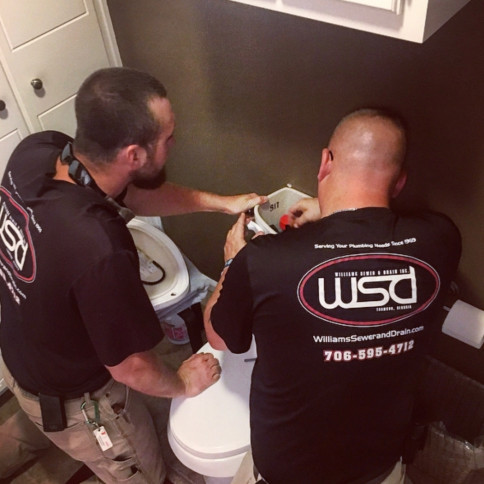
Plumber Services
Get plumber for support
Free – 4 hour
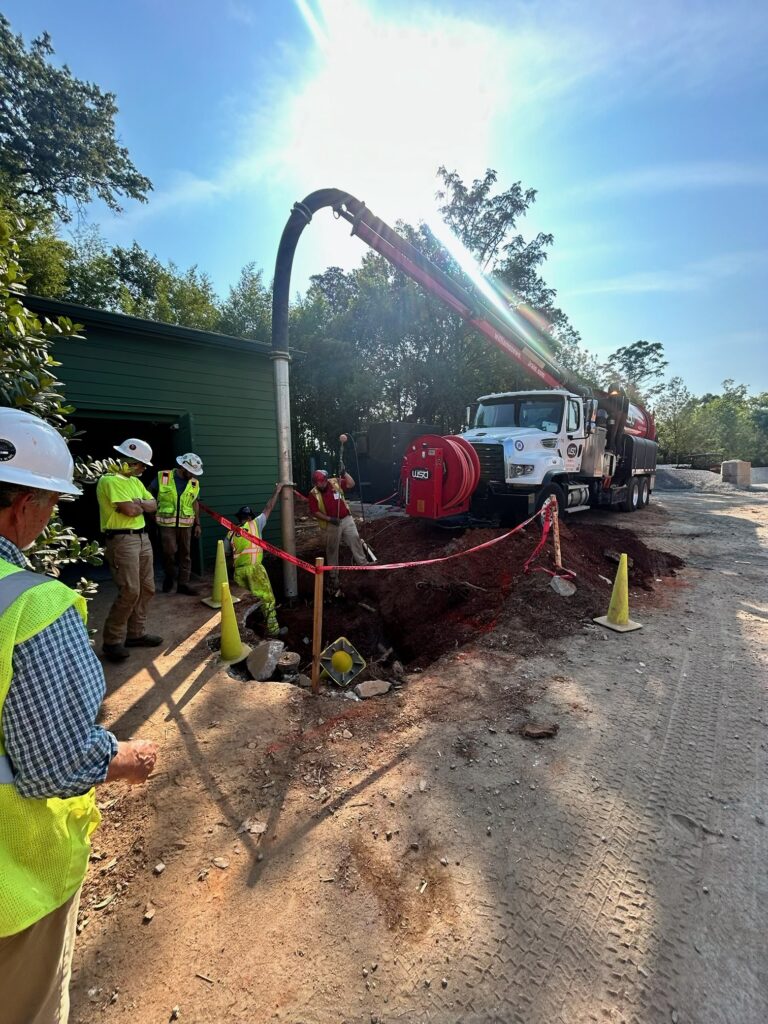

Your Go-to for Expert Plumbing Services
At Williams Sewer & Drain, we provide everything from emergency plumbing repairs to portable restroom rentals. Our team is committed to delivering efficient, reliable, and hygienic solutions for every need-ensuring top-quality service every time, for both residential and commercial clients.
- 706-309-5996
- 887 Stagecoach Road Northeast Thomson, GA 30824
- invoices@wsdplumbing.com
- Closed Opens tomorrow at 8:00 AM
Sunday
8:00 AM – 12:00 PM
12:00 PM – 4:00 PM
Monday
8:00 AM – 12:00 PM
12:00 PM – 4:00 PM
Tuesday
8:00 AM – 12:00 PM
12:00 PM – 4:00 PM
Wednesday
8:00 AM – 12:00 PM
12:00 PM – 4:00 PM
Today
8:00 AM – 12:00 PM